Wicked Mummy: Unlocking Playful Typography for Modern Design
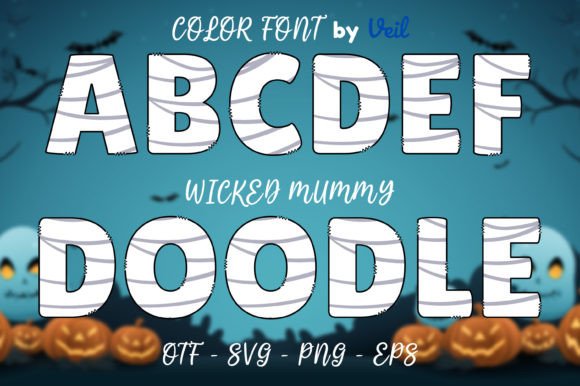
In the dynamic world of graphic design, a font is more than just letters on a page; it's a powerful tool for visual storytelling. The right typeface can instantly set a mood, define a brand's personality, and guide a viewer's eye. Among the myriad of creative assets available, the Wicked Mummy font family stands out as a prime example of how whimsical, handcrafted typography can inject energy and character into a project. Its playful, artistic style is perfectly suited for designs that aim to connect on a human and engaging level.
Understanding the role of such expressive fonts is crucial for effective visual communication. While minimalist, sans-serif fonts excel in corporate contexts, typefaces like Wicked Mummy are invaluable for projects targeting specific emotions or audiences. These fonts are often the secret ingredient in designs that need to feel approachable, creative, and full of personality, making them essential for a well-rounded design workflow.
Where Playful Typography Shines: Key Applications
The versatility of a font like Wicked Mummy allows it to enhance a wide array of creative projects. Its hand-drawn aesthetic adds a layer of authenticity and charm that rigid, standard fonts cannot replicate. This makes it a powerful component of a broader brand identity, especially for businesses that want to appear friendly, innovative, or artisanal.
Consider its practical applications across different design disciplines:
- Brand Identity & Logo Design: For startups, boutique shops, or children's brands, a playful font can form the core of a memorable logo, helping to establish a distinct and approachable brand voice from the outset.
- Marketing & Social Media Graphics: In the crowded space of digital marketing, eye-catching typography is essential. Using a font like Wicked Mummy for headlines, quotes, or calls-to-action can significantly boost engagement on social media posts, ads, and email headers.
- Editorial & Packaging Design: Children's books, greeting cards, and food packaging for artisanal or kids' products benefit immensely from whimsical typography. It creates visual hierarchy and draws the consumer's eye directly to key information or the product name.
- Web & UI Design: While body text requires high readability, strategic use of a decorative font in website headers, banner text, or promotional pop-ups can break the monotony and highlight special offers or important messages.
Integrating Expressive Fonts into a Professional Design Workflow
While the appeal of a font like Wicked Mummy is clear, its effective use requires thoughtful implementation. The goal is to enhance communication, not hinder it. A key principle of visual hierarchy is contrast; pairing a decorative display font with a clean, simple body font ensures readability while allowing the playful elements to command attention where it matters most.
When evaluating and using such creative assets, designers should consider several factors to maintain a polished and professional result:
- Readability and Scalability: Test the font at various sizes. A headline font must remain legible whether viewed on a large poster or a small mobile screen. Ensure its intricate details don't blur at smaller scales.
- Audience and Context: Align the font's personality with your target audience's expectations. A whimsical style is perfect for a toy store but might undermine the authority of a law firm. This alignment is fundamental to successful branding.
- Compatibility and Consistency: The font should work harmoniously with your existing color palette, imagery, and other typographic choices. Consistency in its use across different touchpoints—from a website's UI to its packaging design—strengthens brand recognition.
Ultimately, the thoughtful selection of typography is a cornerstone of quality design. Assets like the Wicked Mummy