Chess: A Playful Typeface for Creative Design Projects
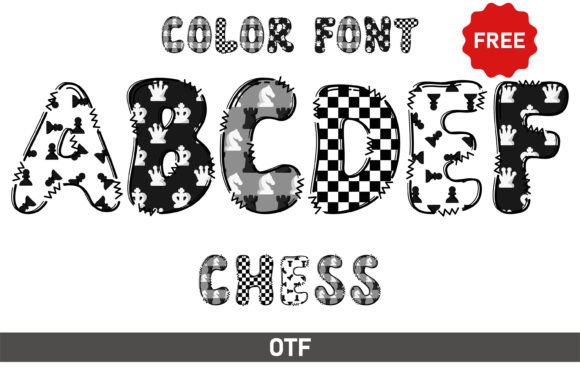
Imagine a typeface that captures the strategic elegance of its namesake game while offering the whimsical charm of a hand-drawn illustration. That's the power of the Chess font, a creative asset that brings a unique blend of sophistication and playfulness to any design project. In the realm of graphic design, where visual communication is paramount, selecting the right typography is a critical move. The Chess font, with its distinctive character shapes and artistic flair, is a versatile tool for designers looking to inject personality, warmth, and a touch of creative strategy into their work.
Understanding the Visual Impact of Chess Typography
Chess fonts are not a single, monolithic style but rather a category of typefaces characterized by their expressive, often illustrative qualities. They move beyond the stark neutrality of standard sans-serifs or the formality of classic serifs. These typefaces frequently feature uneven baselines, decorative swashes, rounded forms, and a hand-crafted aesthetic. This design philosophy makes them exceptionally effective for projects that aim to connect on an emotional level, conveying a sense of approachability, creativity, and authenticity. In modern design, where brands strive to stand out with a unique voice, such typography becomes a cornerstone of a memorable brand identity.
Practical Applications Across Creative Projects
The true value of a font like Chess is revealed in its application. Its playful nature makes it a superb choice for a wide range of creative assets, enhancing both visual appeal and message clarity for specific audiences.
- Branding and Logo Design: For brands targeting families, children, or creative niches, a Chess-inspired font can form the heart of a logo, instantly communicating a friendly and innovative personality.
- Marketing Materials & Social Media: Use it for headlines in posters, flyers, or social media graphics to grab attention. It’s perfect for promoting events, workshops, or products that need a vibrant, engaging tone.
- Editorial and Packaging Design: In children’s books, it creates an immersive reading experience. On product packaging, especially for crafts, food, or lifestyle goods, it adds artisanal charm and shelf appeal.
- Digital and UI Design: While best used for display text, it can accentuate buttons, headers, or hero text in web design, guiding the user’s eye and enhancing the overall user experience with a burst of personality.
- Presentations and Merchandise: Elevate a standard slide deck or design merchandise like tote bags and mugs with a typeface that feels custom and thoughtful, strengthening brand recall.
Tips for Selecting and Using Expressive Fonts Effectively
Integrating a character-rich font like Chess requires a strategic approach to maintain visual hierarchy and readability. Here are key considerations for your design workflow:
- Prioritize Readability: Ensure the font remains legible at the intended size, especially for shorter texts. Test it in context with your color palette and background imagery.
- Establish a Visual Hierarchy: Pair a decorative Chess font with a more neutral, highly readable typeface for body copy. This contrast ensures the playful font highlights key messages without overwhelming the design.
- Consider Your Audience: Align the font’s style with your target demographic’s expectations. A whimsical typeface is ideal for a children’s brand but may not suit a formal financial institution.
- Maintain Consistency: Use the font consistently across all brand touchpoints to build a cohesive and recognizable brand identity. Document its use in your brand guidelines.
- Test for Scalability: Verify how the font renders across different mediums, from a small mobile screen to a large printed banner, ensuring it maintains its character and clarity.
Ultimately, the thoughtful selection of typography is a fundamental aspect of professional graphic design. A font like Chess is more than just a set of letters; it's a creative asset that carries mood, tone, and narrative. By carefully evaluating its role within your broader visual system—considering factors like composition, color, and audience—you can leverage such typefaces to produce designs that are not only aesthetically polished but also deeply communicative and effective. Investing in quality creative resources empowers you to build stronger brands, engage users more profoundly, and execute creative projects with confidence and flair.