Trick or Treat: Designing with Playful Fonts for Maximum Impact
In the world of graphic design, the right typography can make a project truly unforgettable, much like the phrase "Trick or Treat" instantly evokes a sense of playful anticipation and themed excitement. Selecting a font that carries personality is a powerful tool for designers, marketers, and creators aiming to inject character into their work. Fonts designed with a whimsical, artistic flair are not merely decorative; they are functional assets that shape the viewer's emotional response and guide the visual hierarchy of a composition.
The Role of Playful Typography in Visual Communication
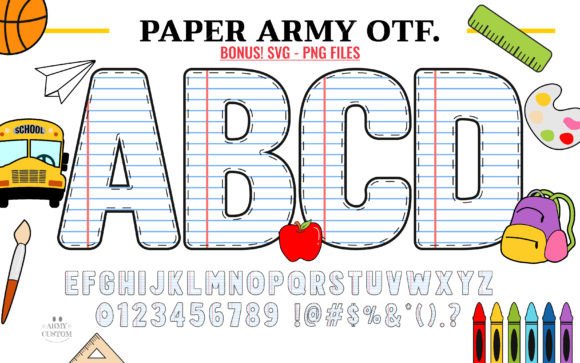
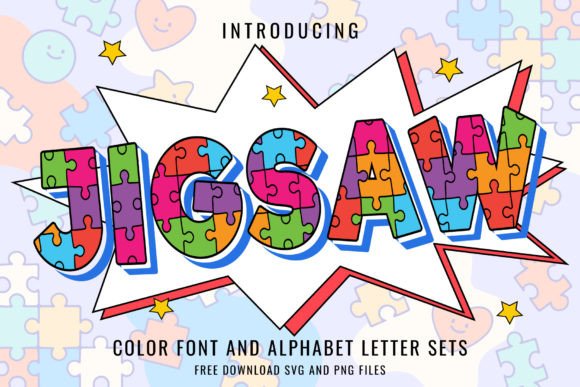
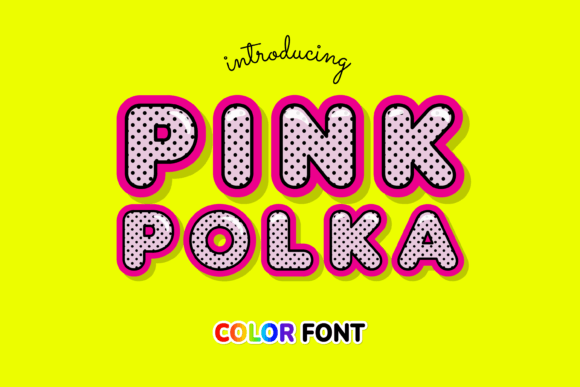
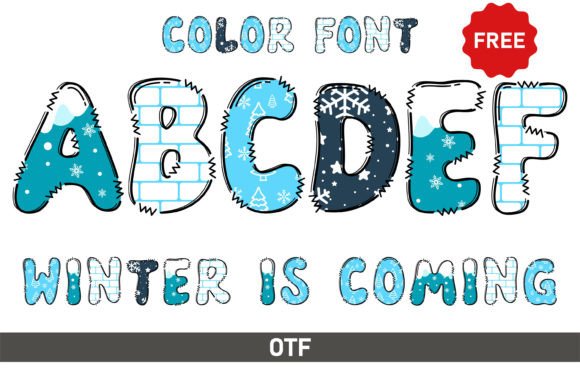
Typography is a cornerstone of brand identity and visual design. A font that conveys a playful or artistic feel—often seen in children’s books, posters, invitations, and greeting cards—serves a specific communicative purpose. These typefaces break away from the rigidity of corporate sans-serifs, offering a human touch that can make a brand feel more approachable and relatable. For instance, a whimsical font used in a logo design can signal creativity and fun, while the same font in an editorial layout can draw the reader into a story with a lighter, more engaging tone.
The key to effective typography lies in its ability to balance personality with readability. A font that is too ornate may sacrifice clarity, but a well-designed playful typeface maintains legibility while adding visual interest. This balance is critical in modern graphic design, where user experience (UX) and clear communication are paramount.
Practical Applications for Artistic Fonts
Integrating a character-rich font into your design workflow opens up a wide array of creative projects. The versatility of these assets allows them to enhance various mediums, from digital marketing to print design.
- Branding and Logo Design: Establish a unique brand personality that stands out in a crowded market.
- Social Media Graphics: Create eye-catching posts and stories that drive user engagement and shares.
- Packaging Design: Use typography to tell a product’s story on the shelf, appealing directly to the target audience’s emotions.
- Web and UI Design: Apply artistic fonts to headlines or specific UI elements to add flair without overwhelming the user interface.
- Editorial Layouts: Enhance magazines, newsletters, or blog headers with type that captures the theme of the content.
- Merchandise and Digital Products: From T-shirts to printable art, distinctive fonts add value and aesthetic appeal to physical and digital goods.
Technical Considerations for Design Assets
When selecting creative assets like fonts, understanding technical compatibility is essential for a smooth design workflow. Many artistic fonts come in multiple versions to accommodate different software and machinery. For example, a specific font family might include a standard black version designed for broad compatibility with cutting machines like Cricut Design Space, which is ideal for DIY projects and physical product creation.
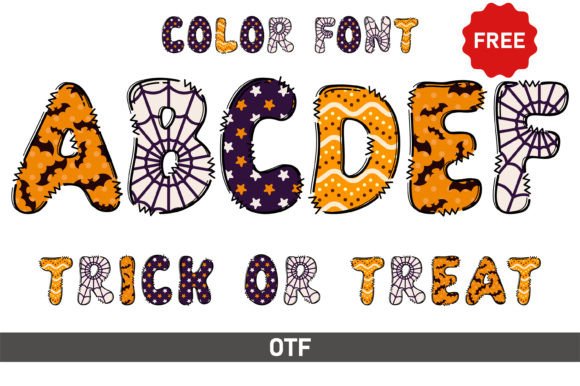
However, it is crucial to note that color versions of these fonts often have different requirements. Fonts with built-in color gradients or textures are typically compatible only with advanced graphic design software such as Adobe Photoshop, Illustrator, Silhouette, and Inkscape. These color font files (often in OTF or TTF formats) may not function correctly in standard cutting machine software. Always verify the file specifications to ensure the asset aligns with your intended design tools and final output.
Tips for Effective Typography Selection
To maximize the impact of your design elements, consider these professional guidelines:
- Prioritize Readability: Ensure the font is legible at the intended size, whether it is used for a headline or body text.
- Maintain Consistency: The font should complement your existing color palette and brand systems to create a cohesive visual identity.
- Test Scalability: A high-quality vector font will retain its clarity whether scaled up for a poster or down for a business card.
- Understand the Audience: Match the font’s style to the expectations and preferences of your target demographic.
Thoughtful design choices are the bridge between a concept and a polished, professional result. By carefully curating your creative assets—whether it is a whimsical font for a holiday campaign or a clean typeface for a modern UI—you elevate both the aesthetic quality and the communicative power of your work. Quality typography does more than decorate; it connects, informs, and inspires.